Tour of European Renewables, Energy Saving Plugins & Ramaggedon – GTG Links 71

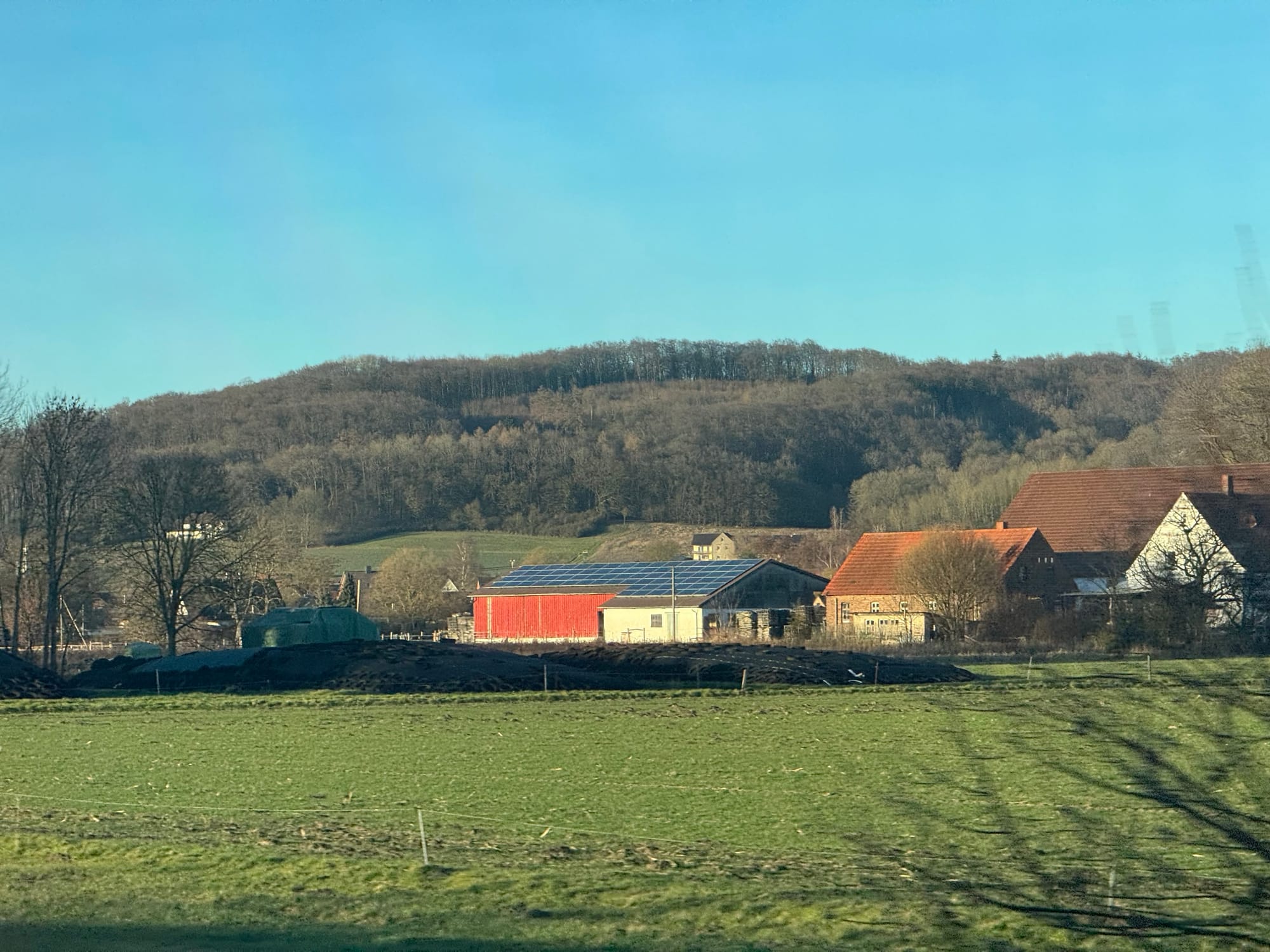
We've been travelling in Europe for the past few (rainy) weeks, and I wanted to share some of the hopeful sights of renewable generation that I spotted, just incidentally from trains.
We start with some French wind farms – which was quite a big park, and though I didn't get a photo, I saw some in Belgium that were sited in a factory car park. You would never get that in Australia, where we put huge exclusion zones around them. This was a very practical approach.
French wind farms from the high speed train – a perfectly ordinary sight but nonetheless I was delighted
If you are ever in Utrecht – make sure to visit the Museum Speelklok, and do the tour, in which they play the instruments for you. Wonderful stuff. My other hot tip is the Dom Under tour of the excavations under Utrecht main square, and see with your own eyes the 2000+ years of history on the site. Absolutely mind boggling for someone from a country that is not even 250 years old (excluding indigenous Australian history, of which we learn very, very little in schools).

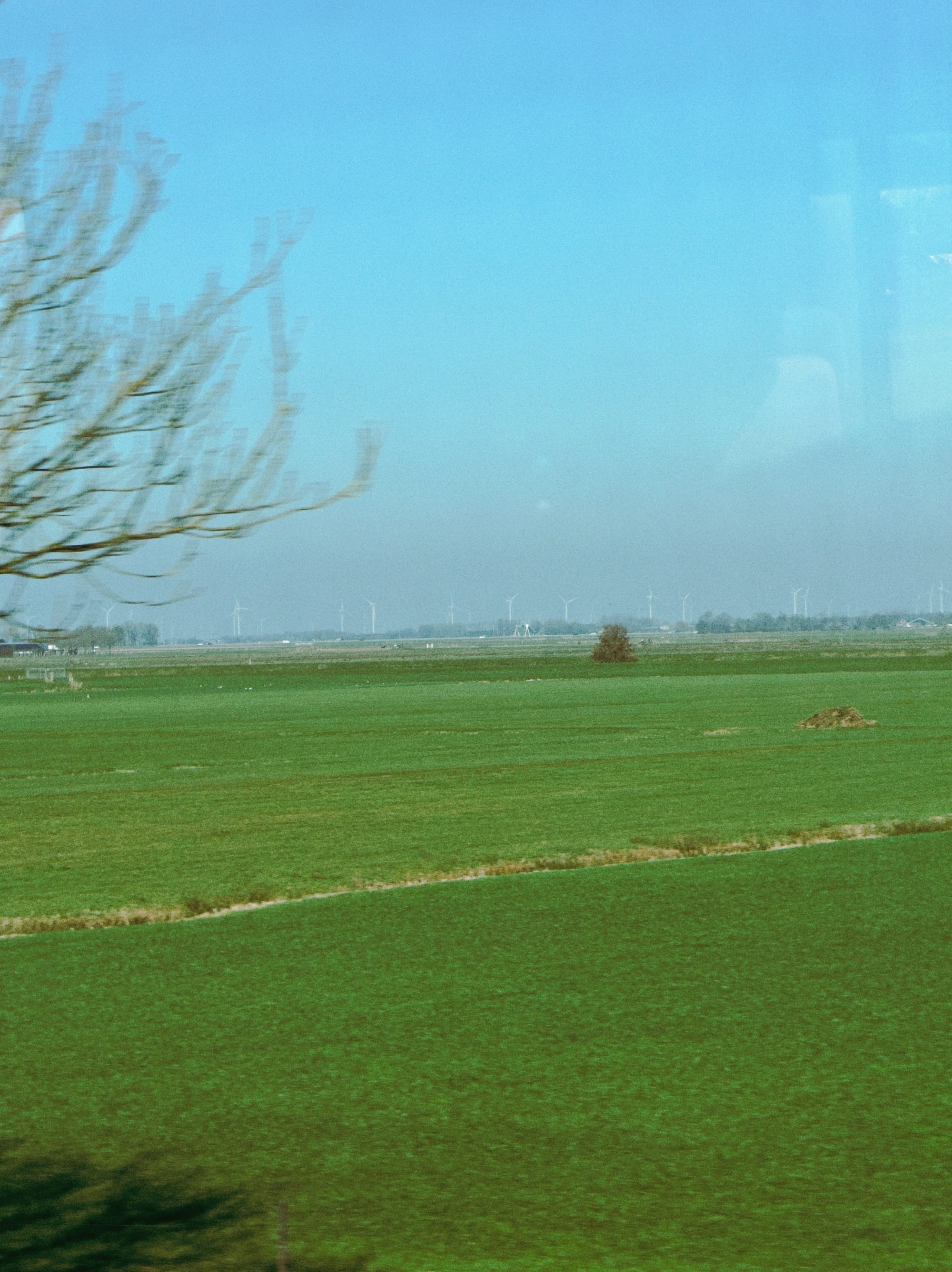
After a lot of rain the sun came out on our last day in Amsterdam, so the view was slightly cheerier and made spotting some more Dutch windmills (the modern kind) from the train. You love to see it.
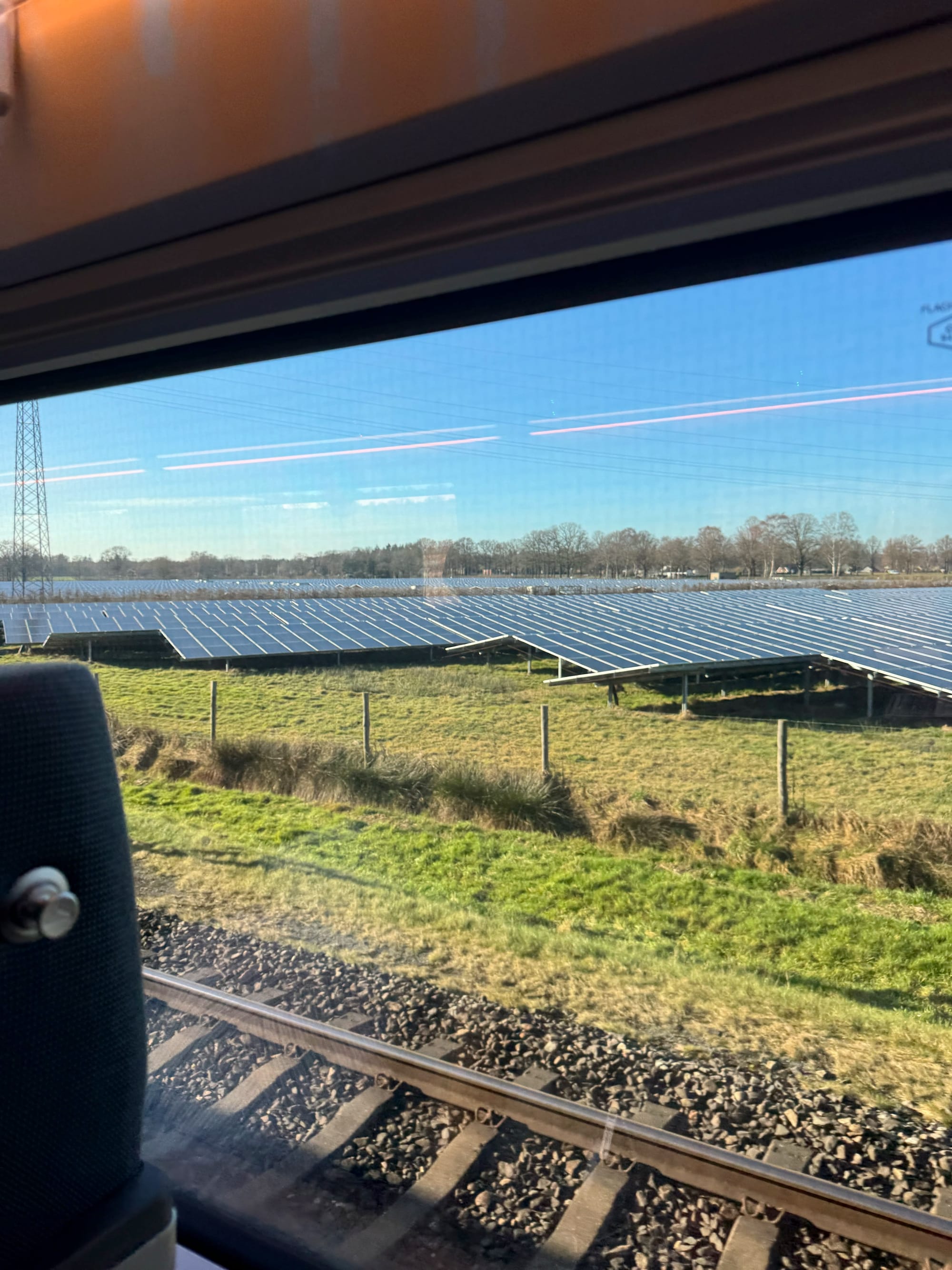
And on the same trip to Berlin, we spotted a German solar farm – the visible trace of our aim of a better, more sustainable world. I find it so encouraging, I hope you do too.
Today, Berlin is turning on the sunshine, for what feels like a rather early start to spring. We shall see if it continues! If you're in or around Berlin, and want to catch up in person, we are here until the 8th of March before heading back to Australia. Don't hesitate to get in touch GTG readers! Would love to see some of you if you're nearby.
There's been no shortage of news since last links post – so lets get stuck in.
Two new plugins to eliminate wasted power
The first is Hauke’s Thiessen's plugin for Unreal engine games that does a really straightforward implementation of energy saving mode, detecting idle states and responds by lowering FPS. Check it out and add it to your Unreal game projects via the Fab page, or send Hauke some feedback (and kudos).
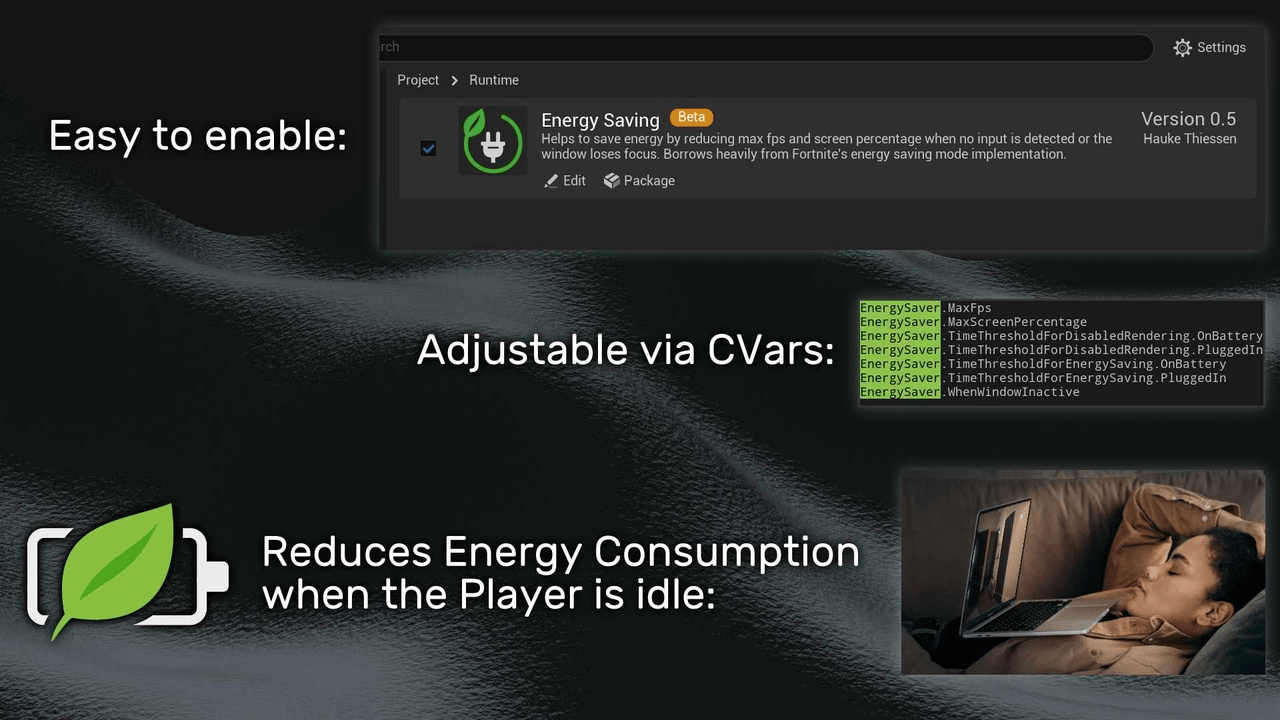
The second is a near identical plugin for the open-source Godot engine, developed by SGA member Ashe Foltin of Boldbeetle Games. Check out the Reddit post about it, and if you work in Godot, add it to your project. It's such a small thing to do, but with such potential upside.
We wrote a Tool to help you reduce your games Energy Consumption!
by u/BoldBeetleGames in godot
Cool engagement!
RAMaggedon is real
With impacts of the DRAM shortage already impacting the release of Valve's new steam machine, causing delays and potential price increases, the same trickle-down effects are now starting to be felt by other device manufacturers. According to Bloomberg, Sony is now rethinking its hardware strategy for the next few years while supplies are tight:
Sony Group Corp. is now considering pushing back the debut of its next PlayStation console to 2028 or even 2029, according to people familiar with the company’s thinking. That would be a major upset to a carefully orchestrated strategy to sustain user engagement between hardware generations. Close rival Nintendo Co., which contributed to the surplus demand in 2025 after its new Switch 2 console drove storage card purchases, is also contemplating raising the price of that device in 2026, people familiar with its plans said.

Read the Bloomberg piece here (paywalled).
Likewise Xbox, which has seen a major change of the guard this month, is also in the lead up to a new console – of a sort? The suggestion came via the AMD CEO who suggested they could be ready to support the launch of a "next gen Xbox" as early as next year. But if so, that would seem to me a bit early for a full console generation, seeing as it's only been 5 years since the Series X/S launch in 2020. Six years is not long enough, so I'm half expecting some sort of handheld, rather than a full console? And with the new leadership just as likely to make completely new strategic direction, I wonder if the they will look at the same supply constraints and conder further delays as well. We shall have to wait and see.
 Edmond Tran
And, in the AI space, if you want another deep dive into the circular deals in the AI space, here's a Bloomberg video investigation.
China drafts corporate sustainability reporting rules
The current proposal would see it aligned with the IFRS Standard, initially as a voluntary regime, but with the eventual aim of covering even SMEs! If that ends up coming true, it would perhaps embarrassingly put China's ESG reporting ahead of even Europe, post-Omnibus:
While the new standard is being positioned by the Ministry of Finance as a trial document, and applied initially as voluntary, the ministry said that it will expand its application over time to more companies and eventually to the implementation of mandatory climate-related disclosures.
…
The ministry added that the new standard will at first be voluntary for enterprises, before the scope and requirements for implementation are specified, while it will prioritize key areas, and expand implementation “from listed companies to non-listed companies, from large enterprises to SMEs, from qualitative requirements to quantitative requirements, and from voluntary disclosure to mandatory disclosure.
Strong stuff from the country that is now, I think quite indisputably, leading the world on climate action.
 Mark Segal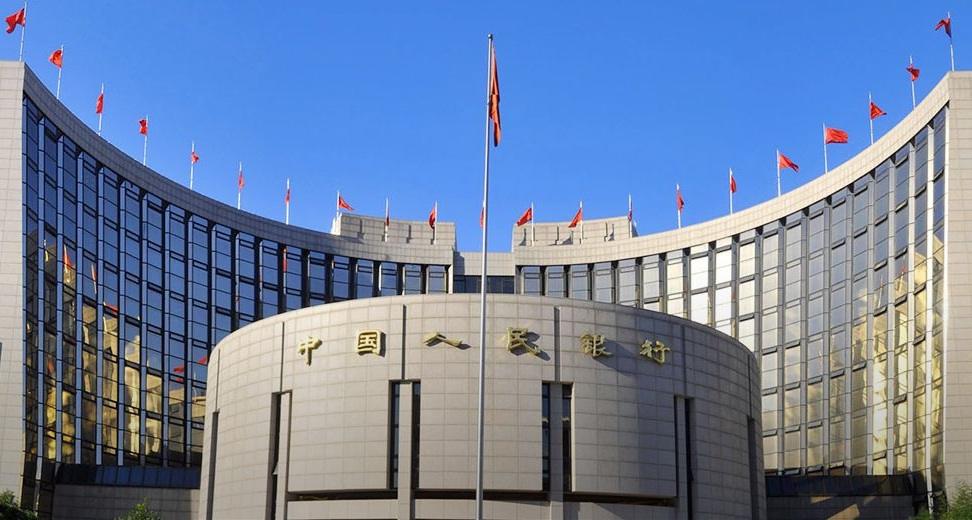
Data Centre Sites and Climate Suitability
Want a map of global data centre sites and optimal average air temperatures? The charmingly named Rest of world organisation has got you covered:
A growing demand for AI and the desire to store data within a country’s borders means that 600 data centers around the world are located in places that are considered too hot. In 21 countries, all the data centers are located in zones that experience average temperatures above 27 C.
…
In thermal terms, Singapore is almost ‘permanent peak summer’ for a data center,” Lee told Rest of World. “Cooling is both technically harder and structurally more energy-intensive here than in most other data center hubs. That is why Singapore has to radically improve efficiency rather than just build more of the same.
 Hazel Gandhi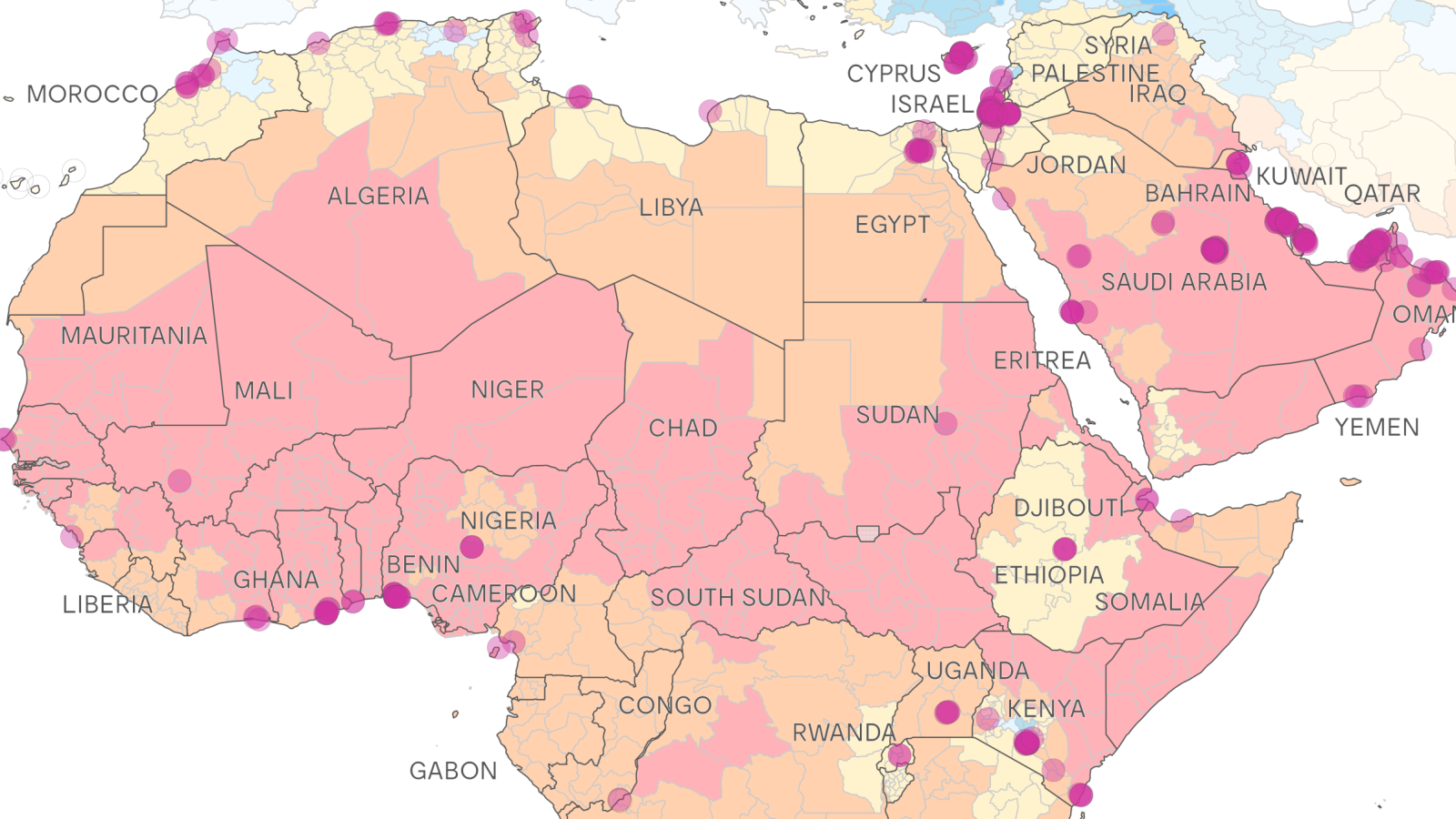
Australia’s grid now relies on renewables as much as coal
The Australian Energy Market Operator this week described the last three months of 2025 as a “landmark moment”, with renewables’ share in the quarter rising beyond 50% for the first time.
…
Australia is in a slightly strange moment on renewable energy. From one perspective, it is embracing renewables, and solar in particular, what by any measure is a historic pace. From another, investment in new developments may not be happening fast enough to meet climate targets, or to ensure there is enough replacement capacity in place as old and failing coal plants close.
The reality is that both are true.
 Adam Morton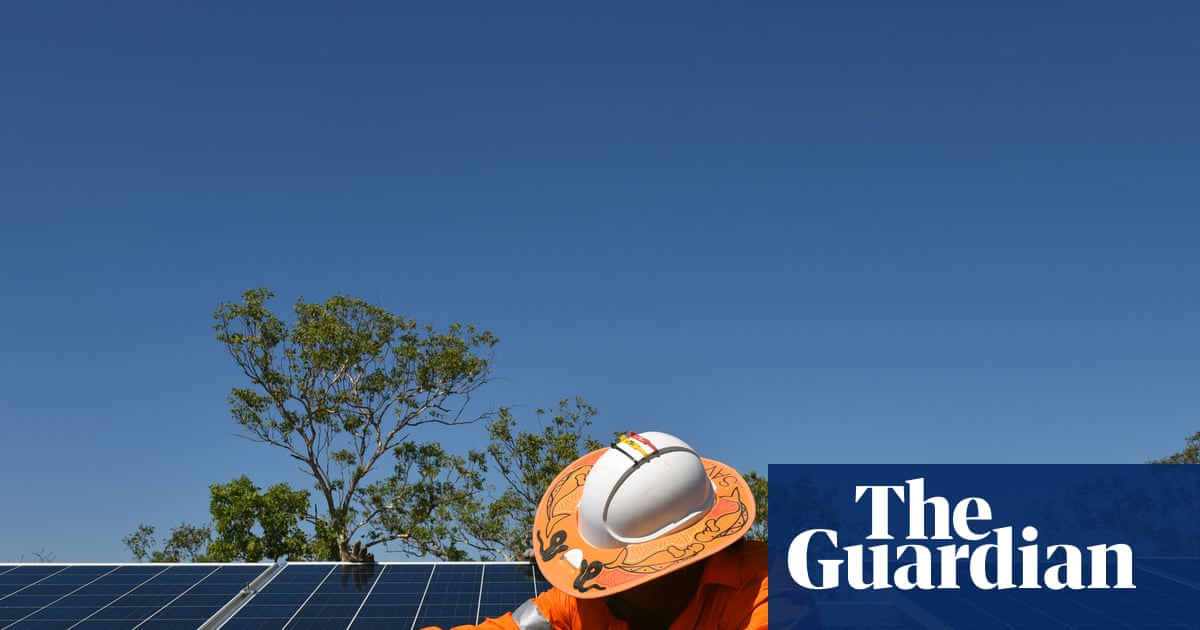
Direct Emissions in Semiconductor Manufacturing Are Increasing Again – What Is Behind the Shift?
After a sharp decline from 2021 to 2023, direct emissions from chip production are rising again. Could artificial intelligence be driving the increase? This brief explores one likely factor: surging demand for high-bandwidth memory (HBM). Vertically stacking more memory layers requires more frequent etching and cleaning, which results in higher fluorinated gas use. We unpack the technology behind HBM, the market forces shaping demand, and the varying emission trends among leading memory chip manufacturers.


Some great quotes in here explaining what's happening with chip manufacturing:
Particularly in the 3D architectures for HBM (such as stacking DRAM dies in a 3DIC assembly), bit density is made greater by increasing the layer counts of memory cells. This leads to a taller memory stack, which in turn requires more deposition and etching materials and therefore increased use on fluorinated gas. The etching process involves extremely deep and narrow trench structures, which require a durable hard mask, typically an amorphous carbon layer (ACL), to prevent sidewall collapse during deep etch steps. During etching, fluorinated gases precisely remove unwanted material to enable accurate patterning of stacked layers. During cleaning, they ensure ultrapure surfaces by eliminating residues from previous fabrication steps, including carbon deposits left by repeated ACL deposition.
…
Putting it all together, the recent rise in direct emissions becomes clearer: booming demand for advanced memory chips, the push to stack more DRAM layers for AI, and the more frequent etching and cleaning required in front-end production likely contribute to the uptick.
It is important to note that in 2024, the HBM market represented only 5% of the overall DRAM market. As a result, conventional DRAM was the primary demand driver in 2024, and the material impacts of the recent surge in HBM-specific demand are likely to become evident only in the yet-to-be-published 2025 and 2026 CSR data. Thus, the trend reversal might be only the start of an increase in direct emissions due to the rapid increase in demand for AI. At the moment, the HBM market is on a steep growth trajectory with demand currently exceeding supply.
Grazalema, Spain receives a year’s worth of rain in one month
Grazalema, Spain, received over 2,000 mm (78 inches) of rain in just the last 20 days. Over a year’s worth of rain — and it’s only early February. This is hydrologically absurd.
— Nahel Belgherze (@wxnb.bsky.social) 2026-02-09T16:11:24.083Z
The Politics of Lifestyle
Our quantitative findings reveal that MPs pay considerably less attention to decarbonisation issues when they represent carbon-intense constituencies. Moreover, this effect is particularly pronounced for Conservative MPs and amplified in marginal seats. The qualitative interview evidence helps to contextualise these quantitative findings, suggesting that MPs consider the decarbonisation of lifestyles a crucial political challenge and that their electoral considerations and party-political contexts play an important role in how they handle this challenge. Overall, our study draws a sobering picture of politicians’ willingness to sacrifice short-term electoral gains for the long-term prospect of net zero, especially for those MPs representing constituencies that could make high-impact contributions to nationwide emission cuts.
 Lucas Geese
Low-energy compound captures CO2 from ambient air without extreme heat input
This is the first time I’ve properly gotten excited about the potential in direct air capture for CO2 emissions. This could really change things, if it can be scaled up.
“None of the components is expensive to produce,” Eshaghi Gorji points out. “In addition, the fluid is non-toxic.”
The next phase of research will focus on scaling the technology beyond laboratory quantities.
 Neetika Walter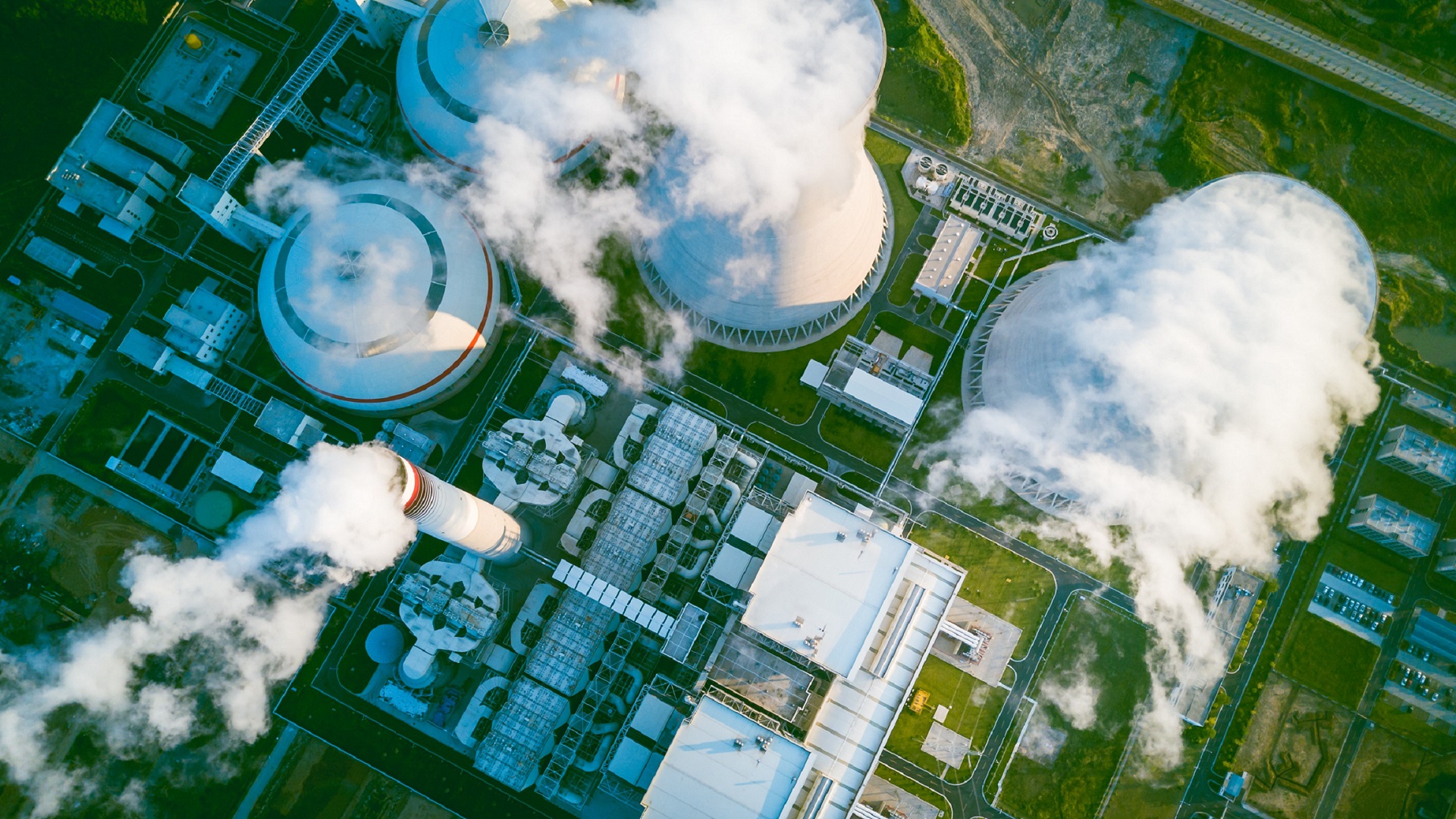
And lastly, another bit of good news about the machines that are doing more to decarbonise transport emissions than EVs (that's right, eBikes are the real star of the transport decarbonisation show), is that a new, open source and reporainable ebike battery standard has emerged.
The main innovation seems to be getting rid of the use of spot-welding for each individual battery cell, which becomes hard to disassemble, harder for recyclers or reuse, and makes it difficult to swap out one single problematic cell. At the moment they don’t think it works great to replace just one cell (probably due to the need to do pack balancing) but it’s heading in that direction, and in general, just seems like a really awesome solution.
That's all for now! Thanks for reading.