Good news and bad news – GTG Links 77

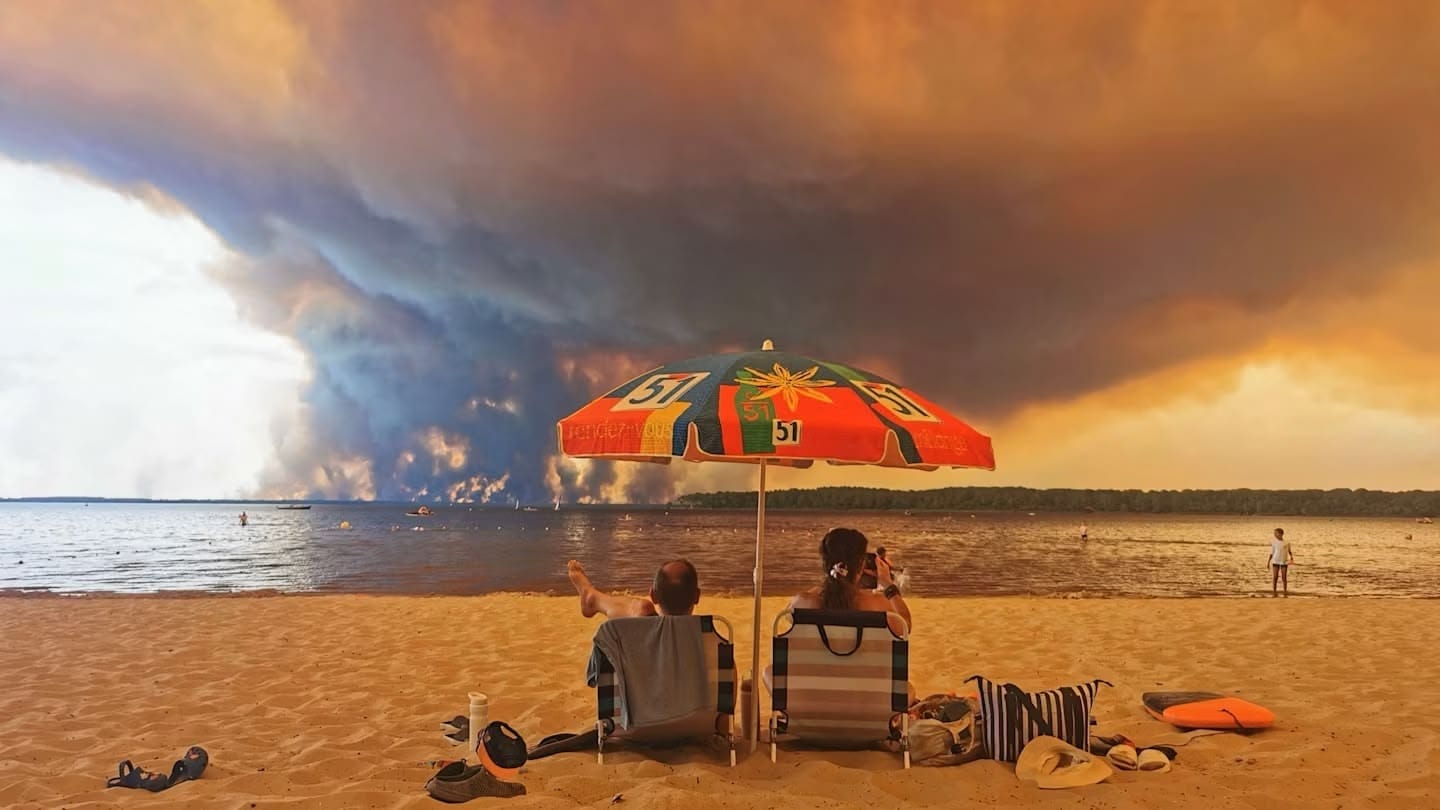
We're halfway through August – how time flies – and there's a host of news and interesting developments I've been saving up to share with savvy, switched-on readers. Not all of them are positively uplifting, but they are necessary datapoints, crucial context if we are to understand where we are today, to help us do the work that is necessary for a better tomorrow.
But first – we're only a week out from Gamescom! If you're planning to be there, why not come along to the SGA + Game Only Get Together on Thursday evening. Here's a link to (free!) tickets if you're planning to be around. Go chat about how hot the summer has been, and what you're planning to do about it at your own studio, and learn about the energy saving plugins for Unreal, Unity and Godot our SGA supporters have made.
Let's start with the bad news.
Kevin Anderson is the most honest and politically challenging climate science expert I follow, and the picture he paints in this new lengthy interview of where the world is at on climate action is unflinching, sobering and also very difficult to disagree with. We have not made the necessary changes to our economies to decarbonise, despite having all the warnings and all the expert advice about it for decades. As a result, we have run out of time for the most optimistic climate pathways, which are now almost certainly shut to us. Our climate budgets are going bust, and every year we fail, it makes the following year harder. It's a bitter pill to swallow, but it's the truth of what the physical science tells us.
But there is still hope, as Anderson points out – the sort of radical change that we need to put in place are ones that produce a better and fairer world. Even if we are letting the best possible futures slip away, there's a rapidly closing window for action. The radical change we need doesn't have to be a hard sell – most people are on board with action. The hard parts are the degree of power (in the media, and in the economy) that we have granted to interests that are quite literally aligned with cooking the planet, and which we have to find ways to democratically curtail.
But the time we have left for delay is absolutely nil. Anderson's bluntness about how rich societies have wasted decades makes this a really tough interview to watch and listen to. But it is so important. Anderson describes the the extreme weather presently being experienced in the northern hemisphere summer as not the new normal, but statistically likely to be the least extreme weather for the rest our lives. Unless we do things dramatically differently, we're locking in worse. We are almost guaranteed to see more, and more extreme versions of this summer for as long as we keep burning fossil fuels.
It's been a terrible year for European wildfires – or at least it has been for Spain and France. At the same time it's been much less bad than usual for Eastern Europe. Hannah Ritchie's dug into the EU wildfire data and highlights that aggregate metrics don’t always tell you what’s going on at the local level, which is where we feel the impacts of climate extremes.
 Hannah Ritchie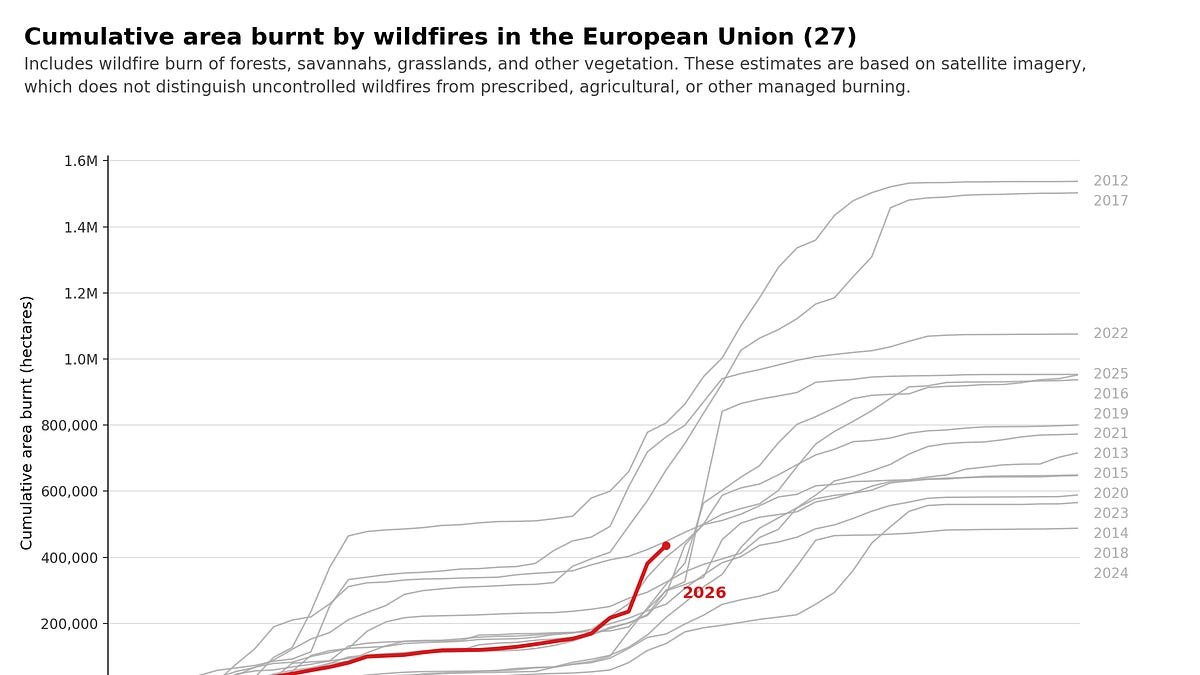
A particularly shocking bit of anecdata is that fires in France have been so unprecedented in their reach that they've exposed WWII era ordnance, which have had to be detonated.

I also wanted to draw your attention to a piece by Andrew Dessler at The Climate Brink, who writes about just how serious a health crisis the new everyday experience of North American smoke has become – with at least one study finding this new (and largely overlooked) cost of climate inaction is potentially greater than all other predicted climate impacts. So just in case you were still holding onto a belief in William Nordhaus style economic models that point to ridiculous situations like letting the planet get to 3 degrees of warming as "optimal" to avoid excess cost in the short term from decarbonisation. We're already breaking these ridiculously short-sighted models, and we're just getting started.
 Andrew Dessler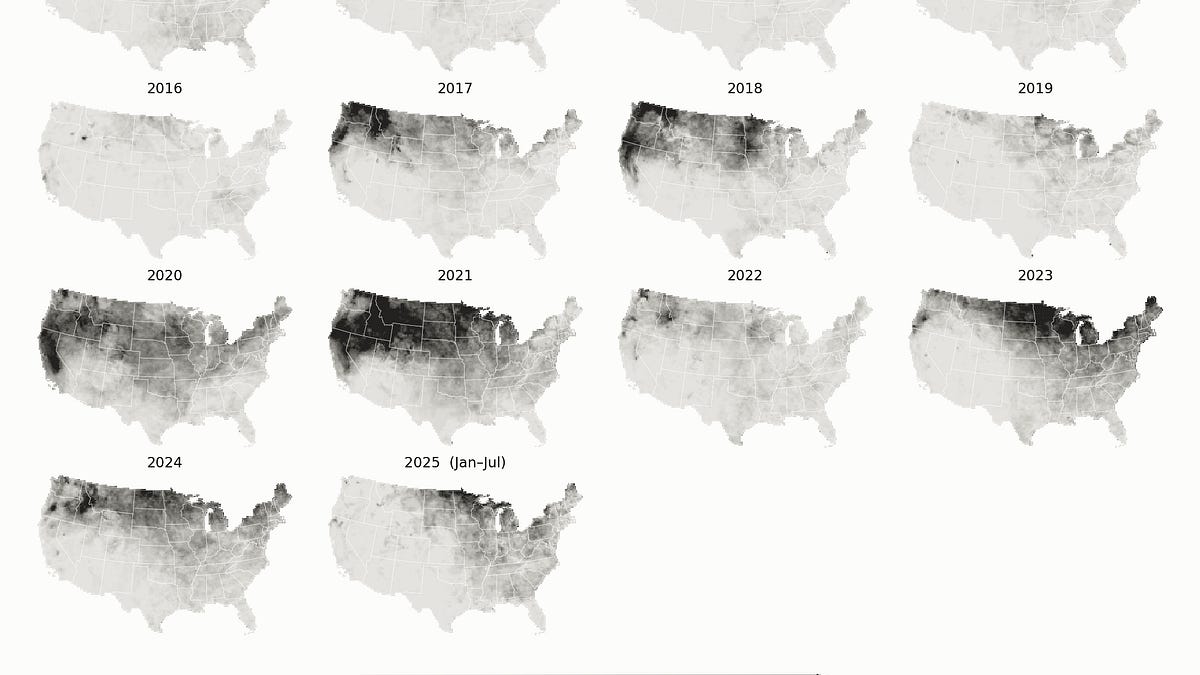
I wonder if those economic models had predicted the threat to Italian cheese banks?
 Catherina Gioino
In a similar economic vein – the scorching weather and back-to-back heatwaves across much of Western Europe are having such an effect on the European economy that it's now expected to erase all of this year's economic growth. How's that for optimal?
 Milena Wälde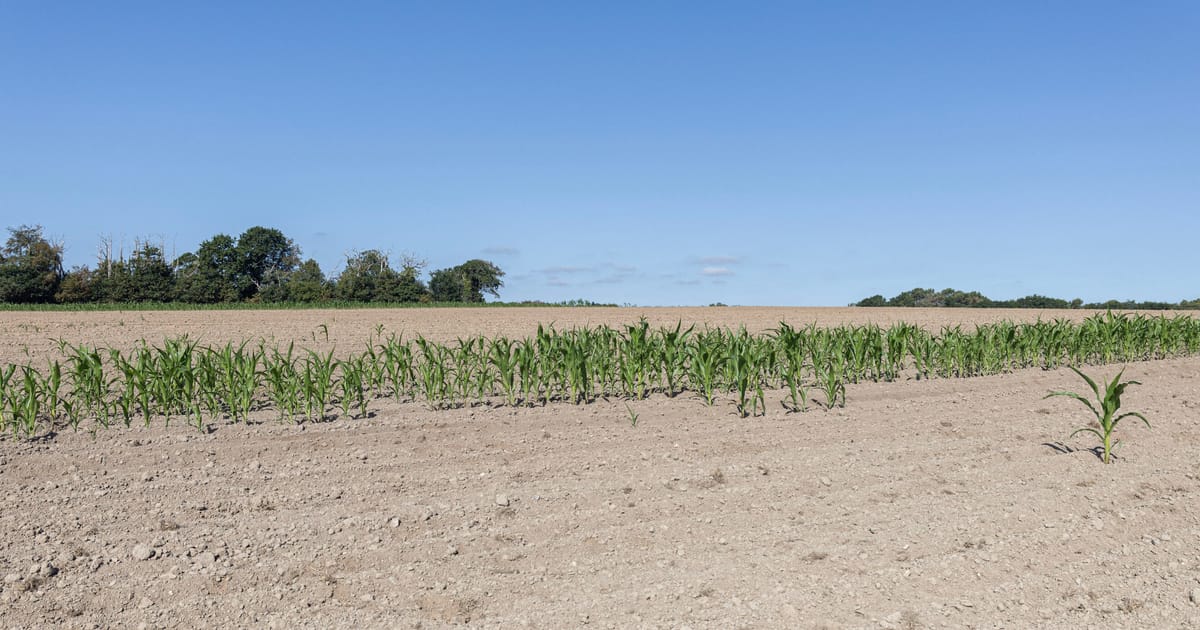
So treat all of the above as another regular reminder that the economy is entirely downstream from nature – and the same goes for videogames. Game developers breathe the same air, drink the same water, eat the same food as everyone else.
GTG is a reader-supported publication, keeping the lights on all thanks to our generous supporters. You can join their ranks for a small monthly amount or a discounted annual price.
Alright, that's the depressing stuff out of the way – we'd better lift our spirits with some positive developments.
Digital Only Not So Bad?
Gamespot's Heidi Kemps has been conducting some old school journalism by talking to many of the most potentially affected communities in the wake of Sony's announcement of a digital-only future for PlayStation games. I found this hugely encouraging - as most of the principal concerns from each of the librarians and other groups are the exact same issues we already know about – mainly, the limited degree of control over digital "ownership" and a lack of transferrability that comes with digital-only sales. This means, for us sustainability folks, we really only need to solve the ownership problem through reforms to digital market rules (for example), and we we might in all likelihood find ourselves with a more sustainable, less plastic reliant game distribution system. But the politics still has to catch up with the technology and decisionmakers.

Lithium recycling
The frontier of "too hard" projects for eWaste recycling keeps getting pushed back. Lithium batteries recovering 90% of their lithium is a huge achievement, and surely only spells good things for the future cost of batteries.
 Science Desk
Speaking of recycling – this bit of news that just crossed my desk today about recycling the silver in solar panels at really high rates is similarly encouraging.
 Rachel Williamson
Dale Leorke's Forest as Playground
A nice academic piece on getting people out into nature with AR games, which he argues "challenge extractive models of location-based play, while revealing the limits of ecological care within digital infrastructures."
Worth reading if you're making games that are in or about real world locations.
 Dale Leorke
Sasha Luccioni on how to make AI DC sustainable
Luccioni has been a pioneer in this space, and one of the earliest to their voice over the warning signs of the energy use of AI and data centres – here's some suggestions from her on ways to curb that excess, in Time Magazine.
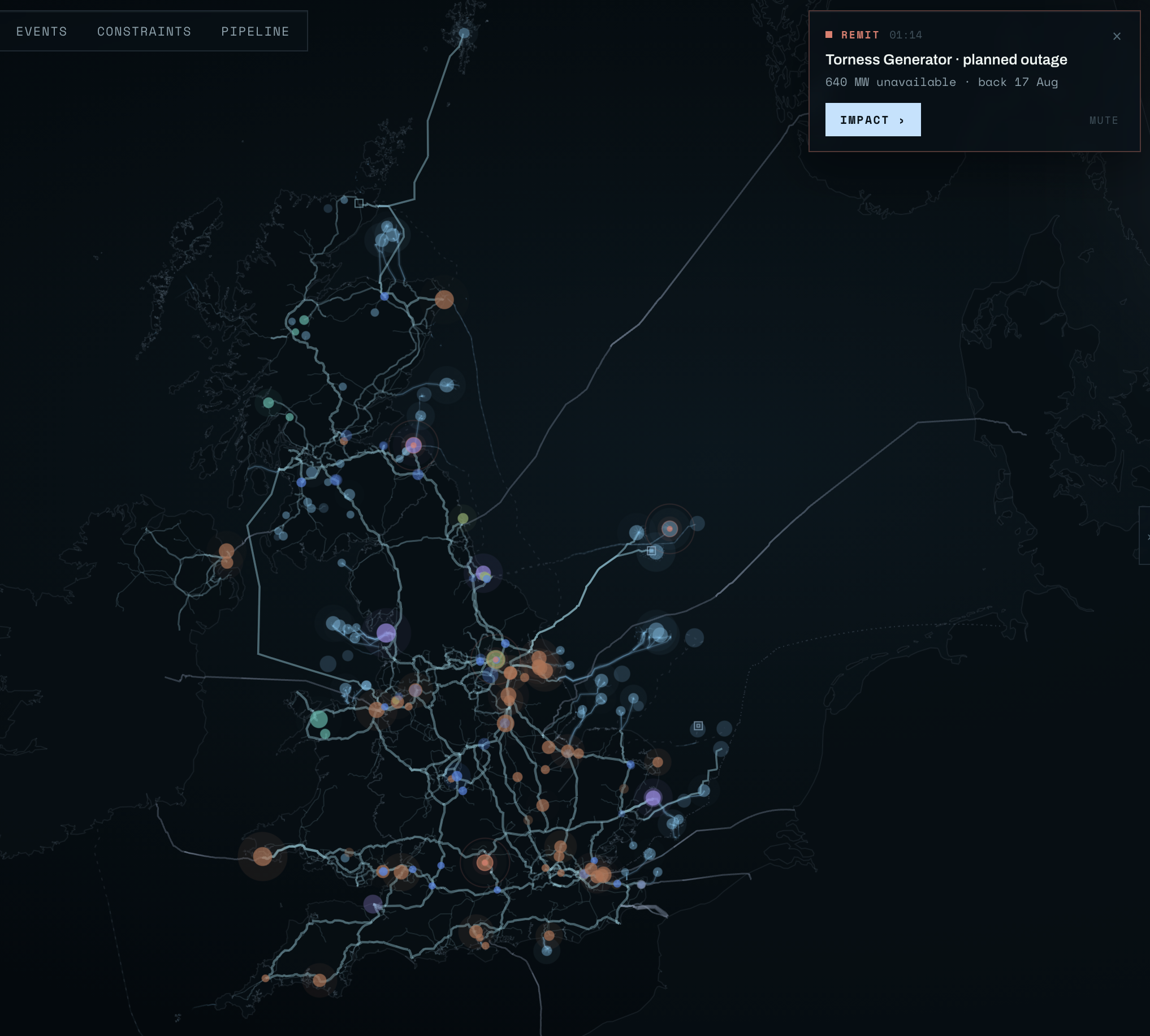
And lastly, something for the data nerds – check out this visualization of the almost-real time energy flows in the UK electricity grid. It's a really pretty thing to look at, showing the complexity of these incredible achievements in engineering, and the sites of production of renewable power. It's also a useful system-wide perspective, allowing us to see with real precision the performance of generators and current demand across a whole country. I think it was designed partly to track unplanned outages, but I find it just interesting to look at. Click through and have a play with the live version.
Thanks for reading GTG! Have a great weekend.
Help keep GTG going out to everyone for free, with a small monthly contribution or a discounted annual price.