Seven new ESG reports from China, Sweden, Finland and Japan


Owing to the long pause between posts we now have a huge backlog of game industry ESG reports to catch up on – so this post is entirely dedicated to getting through seven of the latest. Let's dive right in.
NetEase ESG report
It has numbers for the past year's activities and a nice visible downward trend in emissions, and a statement of commitment to Chinese carbon neutrality goals.
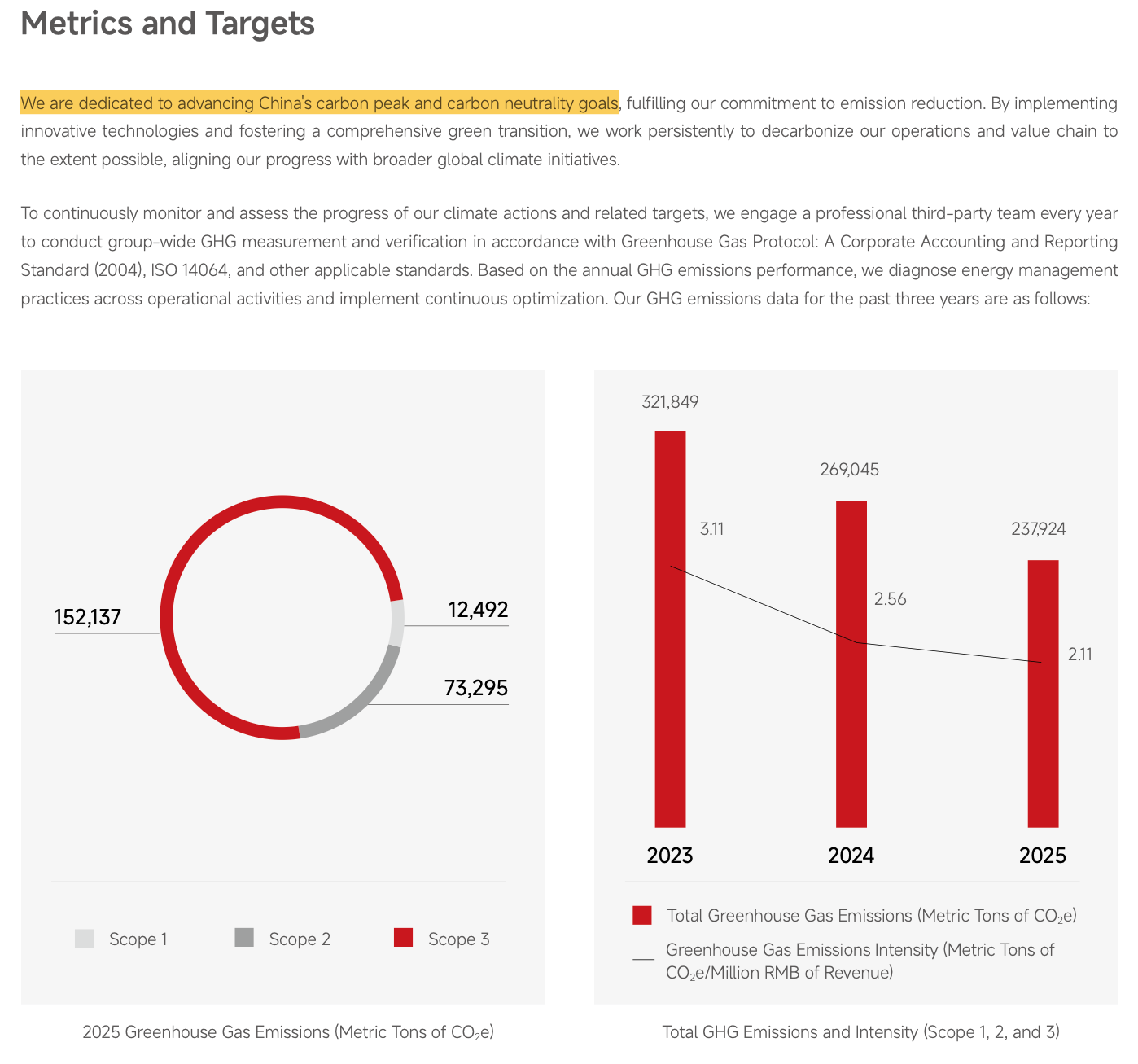
Scope 3 continues to dominate emissions, but scope 2 has also grown from 24>25 by forty percent, irrespective of location- or market-based method. So that tells me there's an opportunity for some renewable energy purchases, or a corporate power purchase agreement, if the company expects electricity use to continue increasing. It certainly wouldn't hurt the blistering pace of the rollout of Chinese renewables.
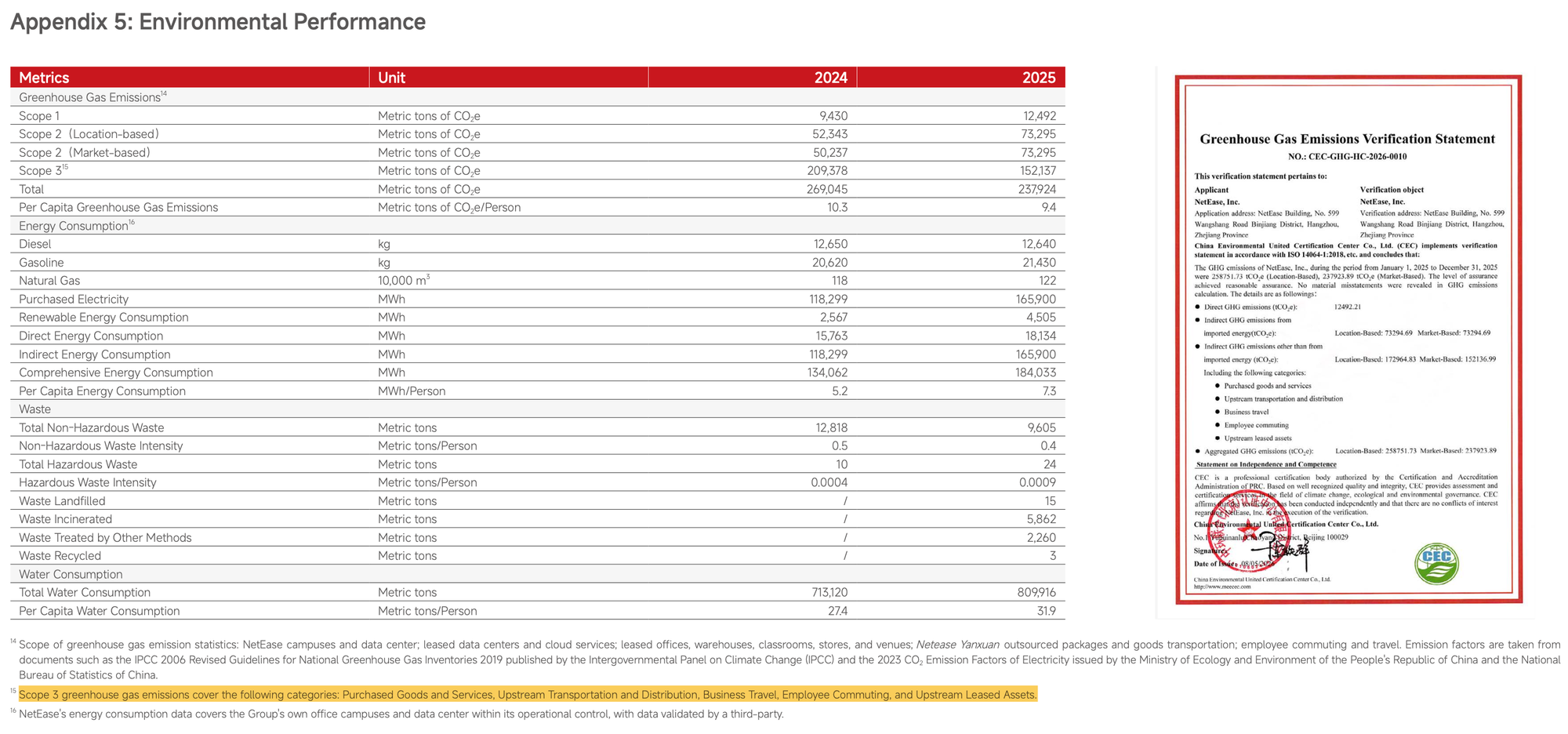
This year we also get a statement on which Scope 3 categories are included in the inventory, which helps a bit with comparability. Plenty more that could go in there though – end users, emissions from playing NetEase games for one – and it would be great to see individual breakdowns for each Scope 3 category. It's an incremental improvement though. Check out the full report here [PDF].
Net Dragon
I don't believe we've looked at a NetDragon games ESG report before. [PDF] I don't think they're well known outside China, but as one of the country's largest game developers and publishers, we probably should.
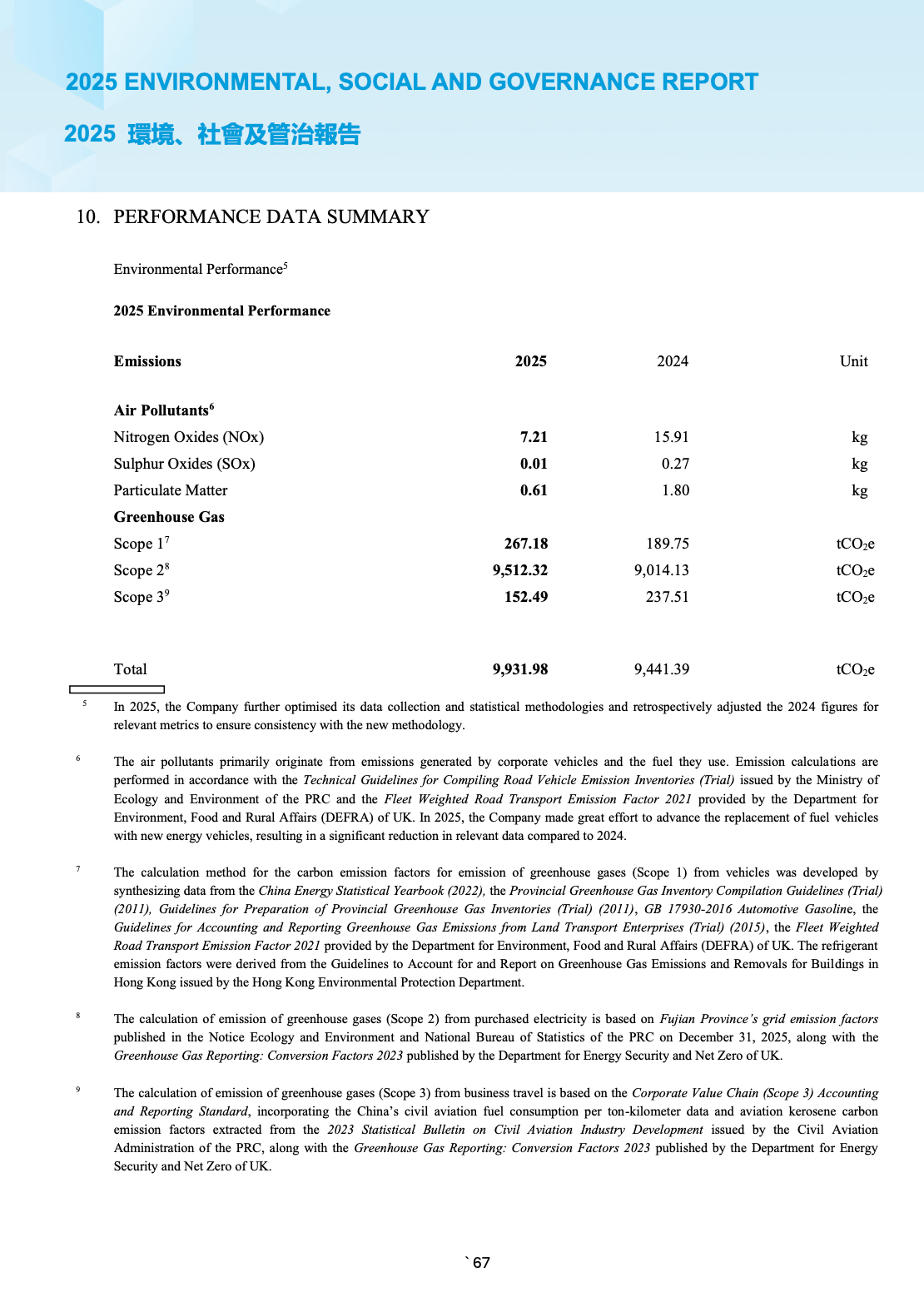
It's a bit of a thin accounting of Scope 3, just including business travel, but that also means there's plenty of room for improvement, and if Chinese ESG trends continue I hope we see a ramp up in their sustainability reporting, as expectations increase for sustainability disclosures and alignment within those overarching Chinese govt goals.
If this is your first encounter with NetDragon, which has over 3000 employees (!) and operates MMOs and online games, I want to draw your attention to the fact that it is famous for having an office in the city of Fujian shaped like the Star Trek Enterprise. More pictures in the linked post - it's pretty incredible stuff.

Embracer’s report is out
The company that has been undergoing a big reorganisation for the past several years is still steadily reporting, and this time it's a full, rigorous, CSRD compliant statement [PDF] with all the necessary details. Here's the GHG figures to start, though due to the extreme changes its undergone we just get 2025 numbers and a probably now unrepresentative 'base year' comparison.
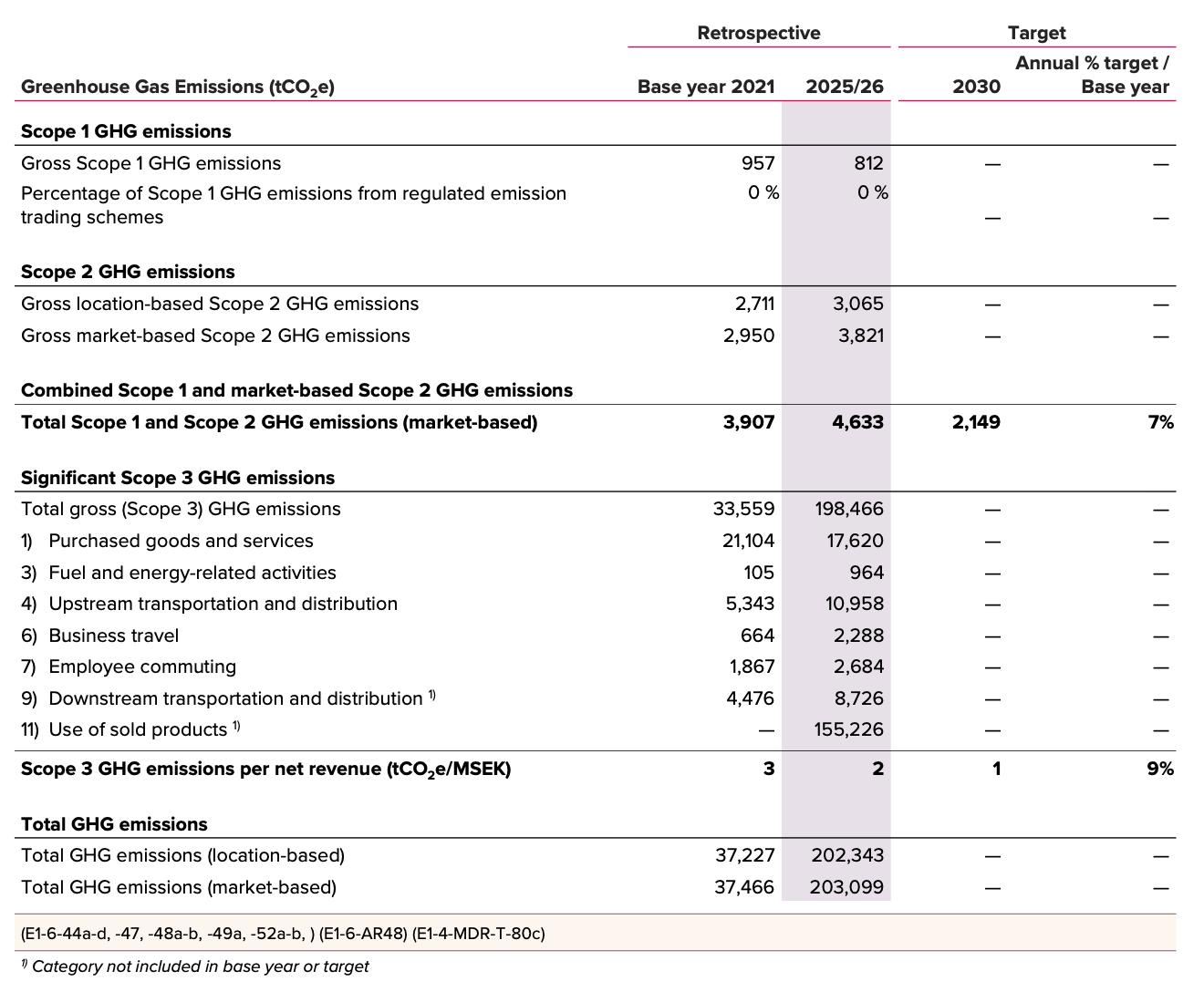
Which doesn't really tell us a great deal about the trajectory things are heading in, from an emissions perspective, though the new details required by the ESRS mean plenty of calculation and methodology details (including improvements in some data collection and calculation methods which are always welcome).
Reading through the report, I get the distinct impression that sustainability things are still largely "on pause" due to the reorganization of Embracer into 3 (perhaps now 4 if you count Embracer itself) separate companies. Coffee Stain has been spun off in the past year, (who also have an annual report, which we'll come back to), as was board games publisher Asmodee. Fellowship Entertainment is still planned for spin-off next year. If I'm reading things right it looks like Embracer still has large stakes in the spin offs, which they'll probably be able to slowly sell off over the next few years. It's sure been an interesting few years, and I'll be worth watching what happens at Embracer and the new spin-offs in the next few as things (hopefully) stabilise.
But back to sustainability reporting – here's how the climate section opens:
No formal climate scenario analysis has been conducted during the reporting period. During the reporting period, Embracer Group has not allocated any operating expenses (OPEX), capital expenditures (CAPEX) or financing specifically to climate change mitigation or adaptation actions.
There's that pause again. Embracer has also maintained its prior assessment that "climate change is deemed non-material for reporting from a financial materiality perspective" which was first reached in last year's report. As much as I might wish otherwise, I'm not really in a position to argue with that assessment. I couldn't claim to know the business and its nature better than them, but it does sit a little at odds with the assessments of other European game businesses. The difference though is that those are located in countries other than Sweden – countries like France which as I write is sweltering through potentially the worst heat-wave in living memory. Meanwhile Northern Europe seems unaffected. It's genuinely hard to know from the outside what climate risk looks like for an organisation – but thanks to CSRD requirements, we do know about the approach taken to reach it. As part of the double materiality process, Embracer's report notes they undertook:
...a qualitative screening of its business activities and assets to identify potential climate-related impacts, taking into account the predominantly digital nature of the operations and the limited physical asset base... no exposure of assets business activities to climate-related hazards was identified that could reasonably be expected to result in significant financial effects.
Having already committed to SBTi targets in the past, what about a transition plan to get them there? Here's the latest:
Embracer Group does not have a transition plan for climate change mitigation in place... Embracer Group does acknowledge the importance of being able to provide information that clearly outlines the Group’s strategy for reducing GHG emissions and, as communicated in the previous reporting period, a climate transition plan will be developed in CY 2027 after completing the transformation.
So a transition plan developed next year, for near-term targets that are getting increasingly near – initially 2030. If the original timeline is kept, there will be just two years left to implement the plan. This is not to say that they won't make these targets – which cover absolute emissions in Scope 1 and 2, and an intensity metric for Scope 3. But there's also a recalculation that will be needed after all the spinning off into multiple companies is completed, and the clock is ticking, 2030 will be here before we know it.
None of this is intended as criticism of the ESG team responsible for delivering this - clearly far too much is outside their control, and about which we could probably say much about the importance of senior leadership taking sustainability seriously. But to this armchair analyst, Embracer's past few years raises the question whether the M&A style of growth (which, lets be honest, may have run its course in games) is a help or a hindrance to sustainability. On the one hand, centralization does clearly produce higher transparency demands and disclosure obligations (certainly, in Europe), but on the other hand, if it comes with so much organizational disruption that no one can get work done on measuring and managing emissions. It's not all negative, however, and Embracer notes that "the financial sector's dialogue is evolving, with investors increasingly seeking to invest in companies that adhere to principles of responsible business conduct." But while encouraging, it's not clear (to me) what responsible business conduct looks like to investors, in the current post-ESG moment. Where does that leave us? Right in the middle of the most critical decade for action, with rising temperatures around us, and perhaps a harder job than ever.
Coffee Stain's first ever annual report is out
Perhaps unsurprisingly, because they're a relatively small group now (~250 people across 12 studios) there's just a few paragraphs [PDF], and no emissions data yet.
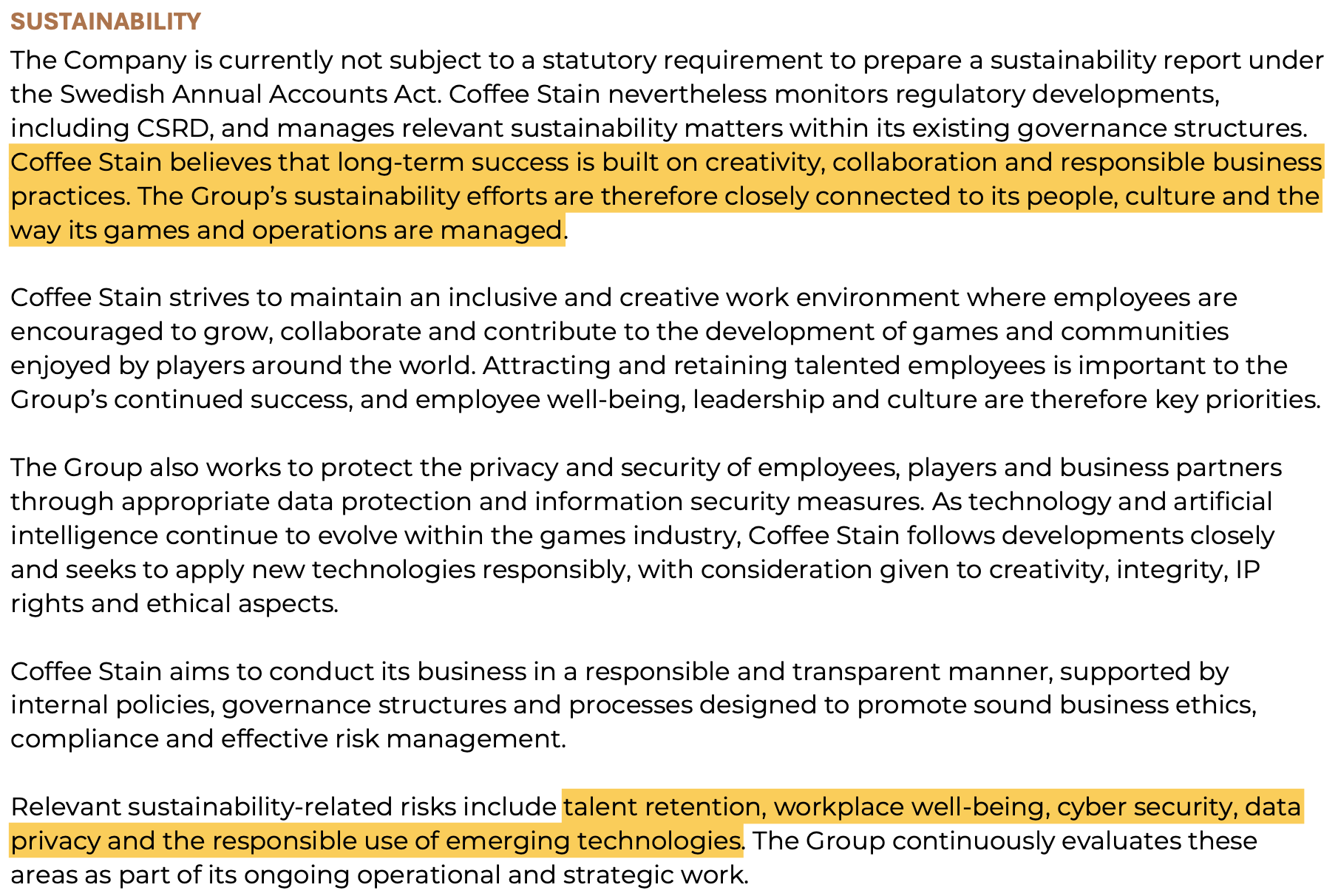
Here's hoping next year they get up to speed? There's plenty of free tools for measurement including the SGA Standard, so it doesn't have to be a big complicated effort. The EU VSME is also very accessible, and has heaps of supporting guidance, and focuses on just the essentials. It would be a shame to lose the disclosures (previously in part of Embracer), so... more next year? Fingers crossed, and we'll do our best to keep you posted.
Rovio’s report is out
According to report preparer Tommi Lappalaine it was all prepared 'the old fashioned way' by hand, all manual processes. See, it is possible.
For the first time it also includes data on emissions from game installs (downloads), which is nice – I tried to think who else has done this, and though there's a few other companies disclosing in the same category of Scope 3 emissions, I believe they are mostly accounting for distribution of physical products not digital. This might well be the first – definitely the first mobile game company – to measure this, so extra kudos to Tommi and helpers at Rovio for pulling the data together. At 37% of their Scope 3 footprint, it's a substantial figure, and one that we might be able to have some influence over in the future. But first you have to be measuring it.
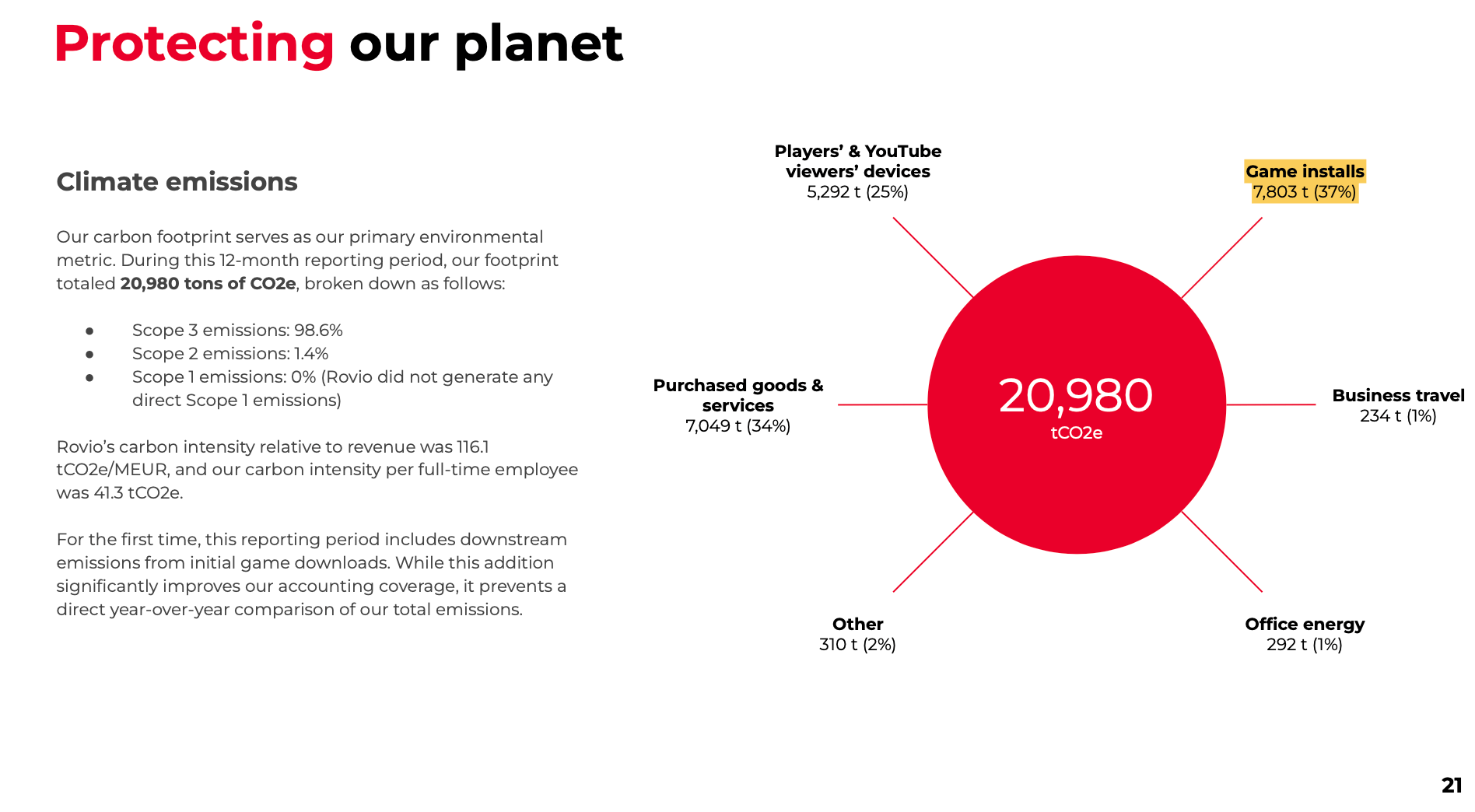
Here's the full report if you want to see more of their actions and plans. [PDF]
Paradox's Report is out
Paradox Interactive's annual report contains the usual sustainability section. Here's its statement on climate impacts, largely unchanged from last year.
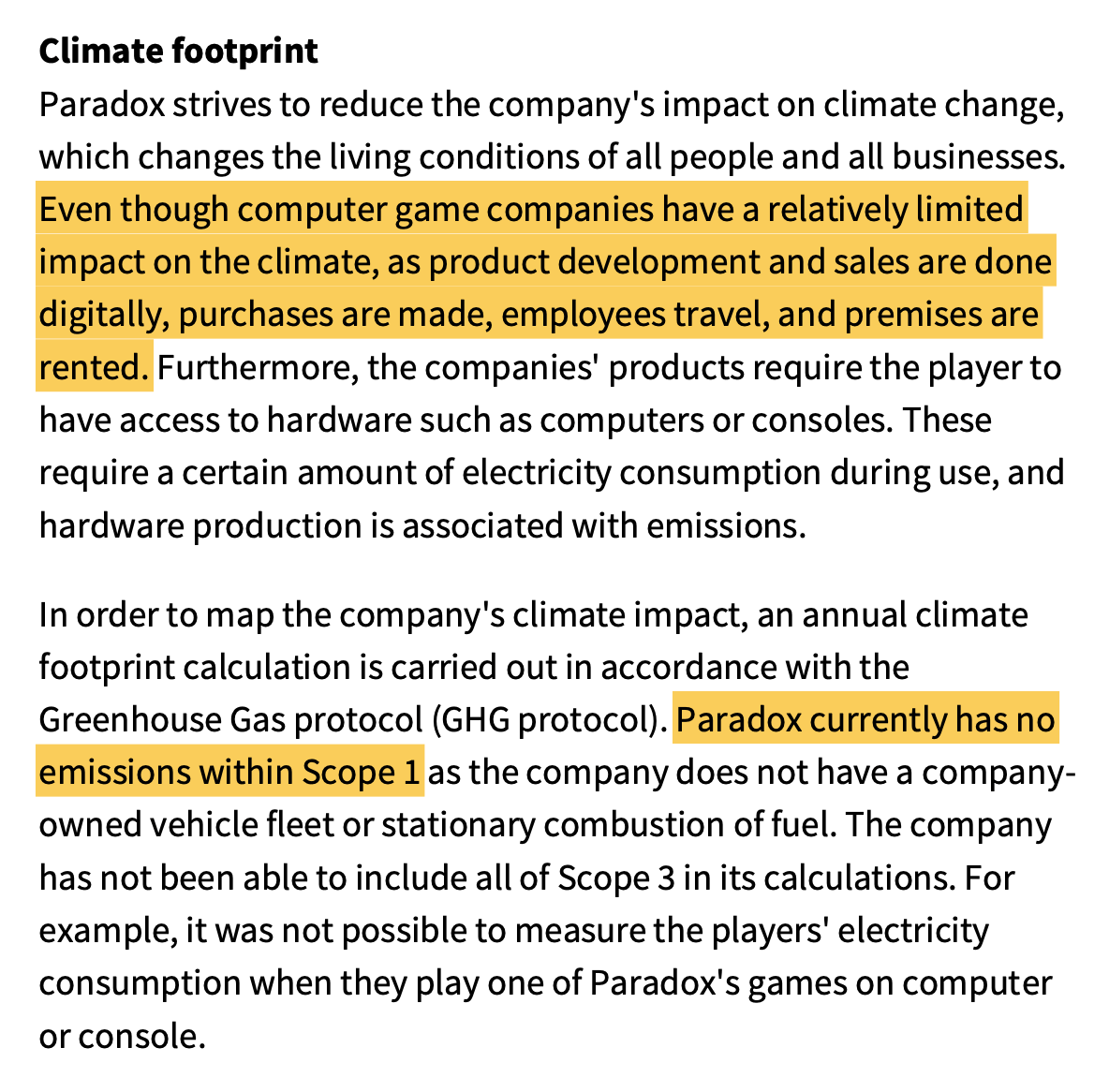
While correct that computer game companies have "relatively limited impact", as we know here well at GTG, that does not however mean no impact. So lets see where they are identifying emissions sources so far.
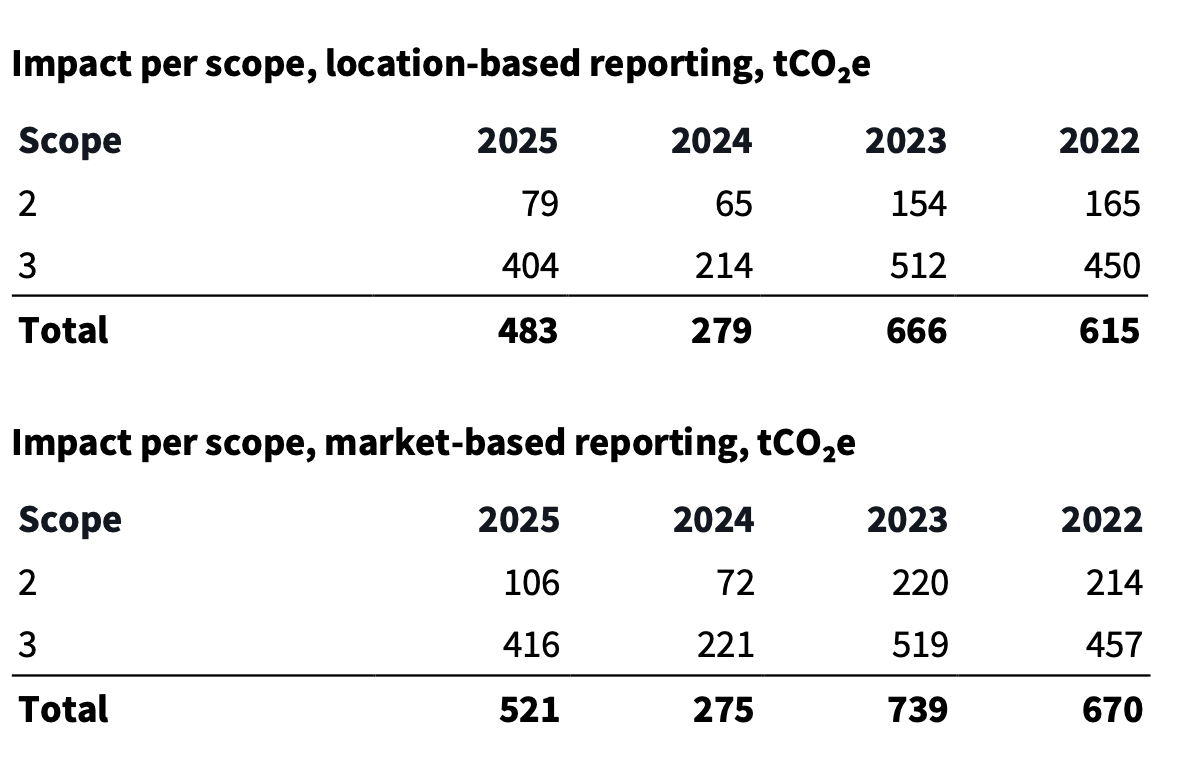
Perhaps the more illustrative is the categories of scope 3 emissions:
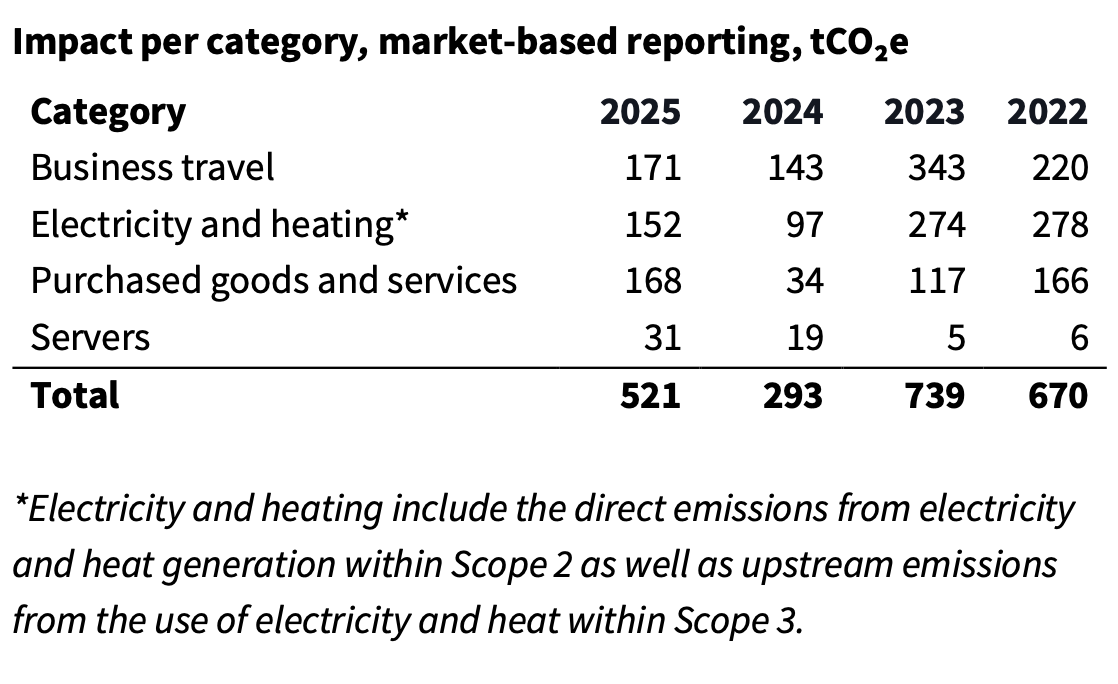
Hard to identify any particularly significant trends here, as the numbers are both relatively small, and more likely to be reflecting underlying business conditions than major sustainability changes, and exclude some of the bigger Scope 3 categories – like end users gameplay, and downloads, and more granular detail on purchased goods and services. There's room for purchases of renewable electricity in Scope 2 though.


CyberAgent's annual report
CyberAgent report on FY25 (ending March of 2025) actually came out at the end of last year, but I have not written about it yet. Here's the emissions data on the website.
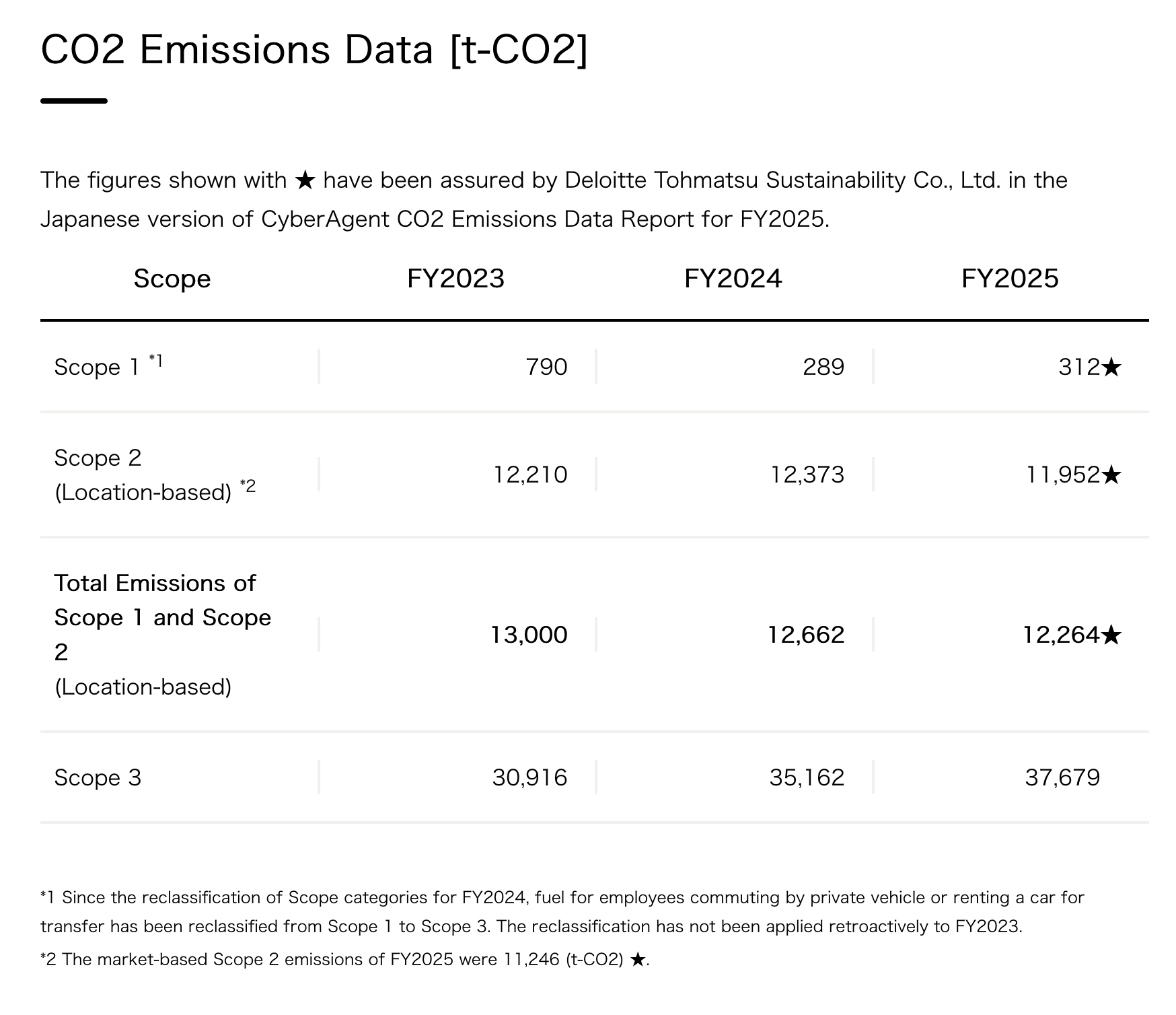
Scope 2 emissions down a little – Scope 3 categories down a little, except for cloud server usage.
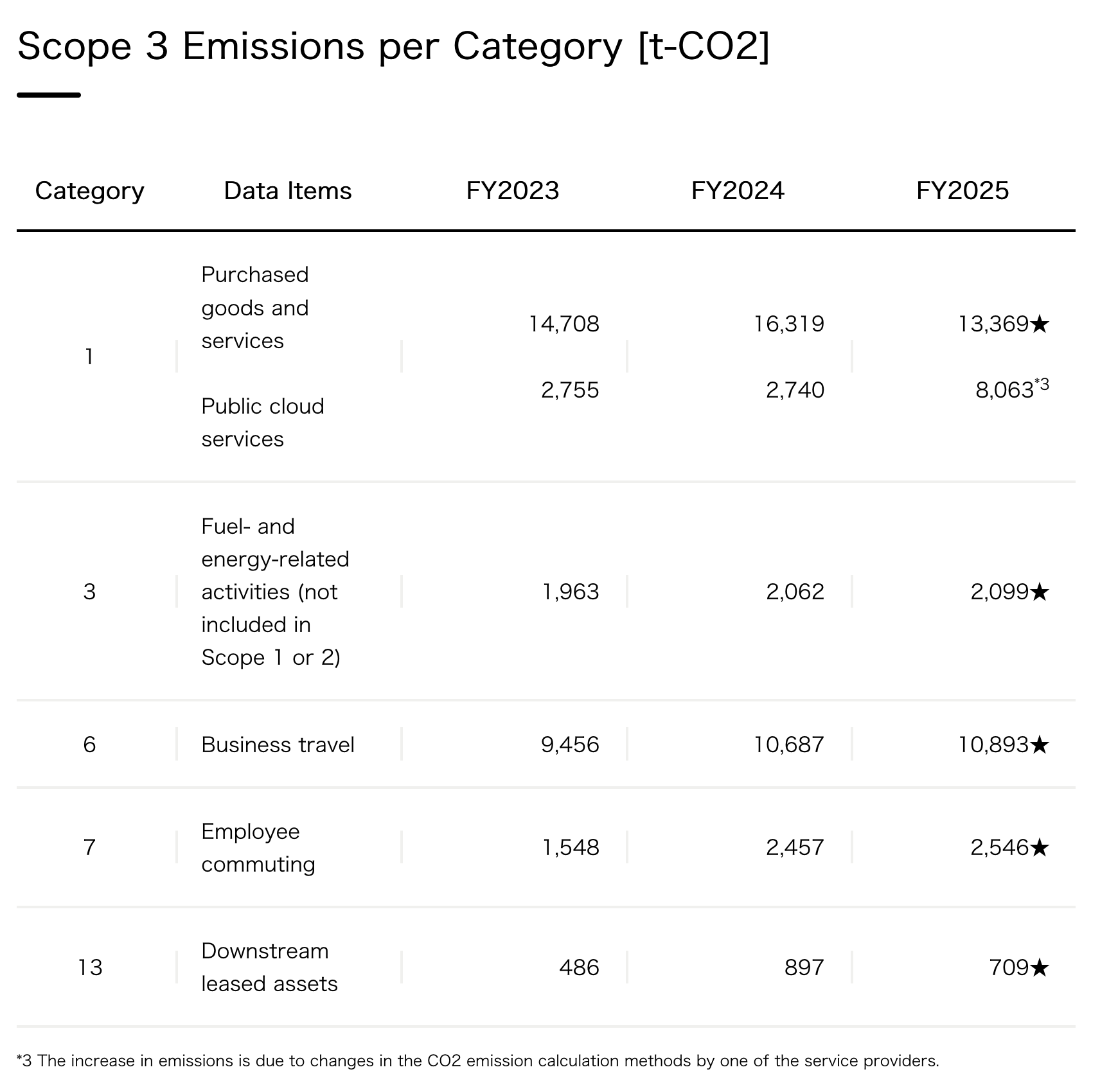
It's a good summary of operational emissions, but by excluding downstream users (and potentially downloads) a big chunk of the wider picture is still missing. Trends, again, hard to see any besides perhaps slight reductions here and there, but equally these might be reflections of the underlying business fundamentals. To know more, we might need some intensity metrics – which we get, but only for Scope 1 and 2 which are not the best indicators. Since 2023 then, things have remained relatively stable.
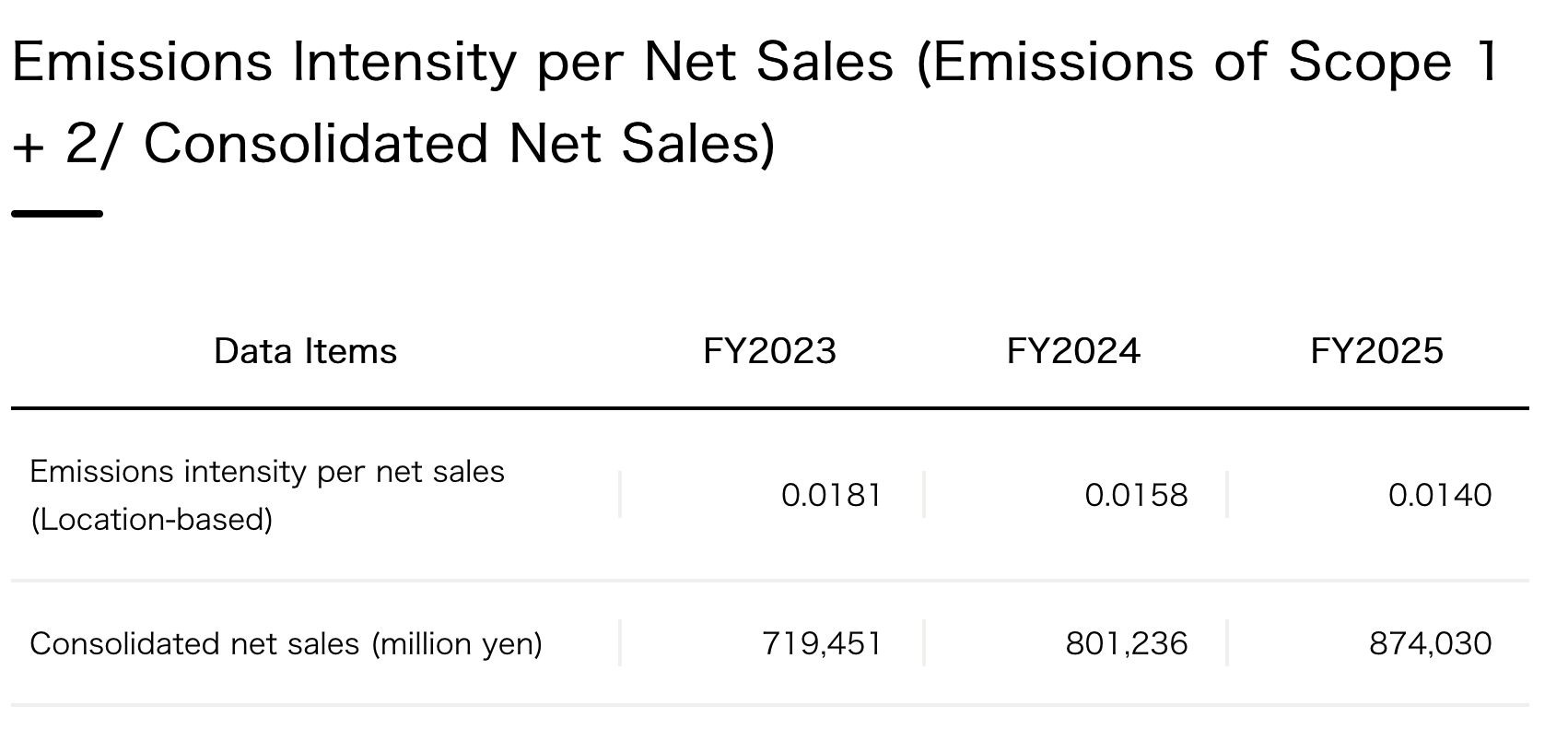
See the full details on the website here.
 CyberAgent, Inc.
But stable emissions and intensity is the default – it's what we get because of the success of renewables and the efforts of advocates and sustainability professionals everywhere. Stable emissions is not what our global situation calls for. Where is the leadership going to come from?
There we go – that's what seven game companies annual reports back to back looks like. It's not the most engaging content, I know, but these are one of the only real accountability avenues we have as members of civil society who care about what's being done around us. Lots of work still remains ahead of us. Hope you, dear reader, are staying cool if its hot outside. Till next time.